
Maintenance Programs Built Around How Your Fleet Operates.
Effective preventive maintenance should reflect more than a generic calendar. Sigma Fleet Services structures maintenance around mileage, operating hours, duty cycle, vehicle type, route intensity, load, operating conditions, and manufacturer requirements.
A Generic Schedule Is Not a Fleet Program.
Two vehicles of the same year, make, and model can experience very different operating demands. One may accumulate highway miles, while another spends the day idling, making frequent stops, carrying heavy loads, or operating in difficult conditions. Sigma evaluates how each vehicle is actually used and helps establish practical service intervals, inspection requirements, and maintenance priorities around the fleet's operating realities.
Mileage
Track accumulated distance and manufacturer-recommended mileage intervals.
Operating Hours
Account for extended idle time and engine use that may not be reflected by mileage alone.
Duty Cycle
Consider frequent stops, short trips, towing, heavy loads, route intensity, and other operating demands.
Vehicle Type
Adjust service scope for cargo vans, step vans, light-duty vehicles, and eligible commercial assets.
Operating Conditions
Consider temperature, winter operation, dirt, debris, rough surfaces, and seasonal workload.
Vehicle History
Use known defects, prior repairs, maintenance history, age, and condition to identify higher-risk assets.
Preventive Maintenance Across Critical Vehicle Systems.
Program scope is based on vehicle requirements, service history, duty cycle, operating market, and available Sigma capabilities.
Engine Oil & Filters
Schedule engine-oil and filter service using vehicle requirements, operating conditions, mileage, and hours.
Learn moreFluids & Lubrication
Inspect and service eligible fluids, filters, grease points, and lubrication requirements according to the vehicle's maintenance schedule.
Learn moreBrakes, Steering & Suspension
Inspect wear components and identify conditions that could affect braking performance, handling, tire wear, and vehicle readiness.
Learn moreBattery & Electrical
Evaluate batteries, starting performance, charging-system operation, lighting, connections, and visible electrical concerns.
Learn moreCooling, Belts & Hoses
Inspect cooling-system components, belts, hoses, visible leaks, and related wear items that can contribute to preventable downtime.
Learn moreTires & Vehicle Condition
Review tire condition, inflation, visible damage, fluid leaks, warning indicators, safety equipment, and other inspection points.
Learn moreFinding the Defect Is Only the First Step.
A preventive-maintenance visit can identify conditions requiring monitoring, repair, approval, parts, or shop-level service. Without a defined follow-up process, those findings can remain unresolved until they become larger problems.
Document
Record the condition, vehicle, technician findings, and recommended action.
Prioritize
Differentiate immediate attention, scheduled correction, or continued monitoring.
Approve
Provide the information needed for the customer's authorized contact to review eligible work.
Schedule
Coordinate mobile or shop service based on repair, vehicle availability, parts, and equipment.
Resolve
Update the service record after approved work is completed.
Complete the Work in the Right Setting.
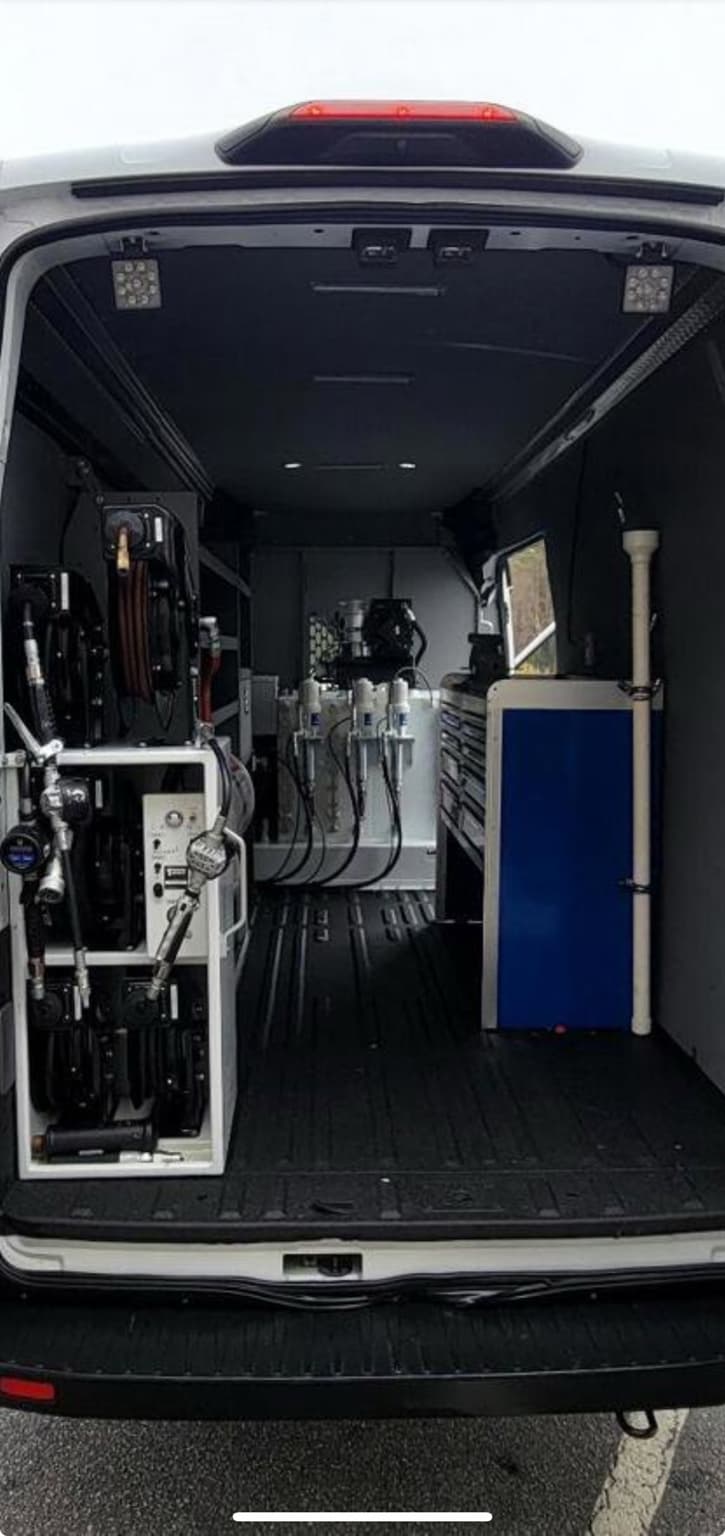
Mobile Preventive Maintenance
Eligible maintenance, inspections, and minor defect correction can be performed at the customer's operating location, reducing unnecessary vehicle movement and allowing several vehicles to be serviced during one coordinated visit.
Shop-Based Maintenance
Vehicles requiring lifts, specialized diagnostic equipment, extensive disassembly, or larger repairs should be routed to an appropriate repair facility.
Combined Service Model
Larger fleets may use mobile service for recurring maintenance and inspections while routing complex repairs into the shop. This creates a practical balance between convenience and technical capability.
Move From Individual Services to Fleet-Level Control.
Enterprise and high-utilization fleets need visibility into what is due, what is overdue, which defects remain open, and which vehicles require additional attention. Sigma can establish a coordinated maintenance program around the fleet's operating requirements.
Discuss Managed MaintenancePlan. Service. Resolve. Review.
Assess the Fleet
Review vehicle types, mileage, operating hours, duty cycles, maintenance status, defects, and operating requirements.
Establish Requirements
Define maintenance intervals, inspection points, service priorities, and approval responsibilities.
Build the Schedule
Coordinate recurring maintenance around vehicle availability, operating windows, market coverage, and service capacity.
Perform & Document
Complete eligible maintenance, inspections, and approved repairs through the appropriate mobile or shop workflow.
Resolve Defects
Route open items through prioritization, approval, parts preparation, scheduling, and completion.
Review Fleet Readiness
Reassess upcoming maintenance, overdue work, recurring defects, and vehicles requiring additional attention.
Plan Service Around the Operation.
Daily routes and work schedules should inform when maintenance occurs. Sigma can help stagger service across the fleet so the entire operation is not disrupted at once.
Dispatch & Return Windows
Coordinate maintenance around when vehicles leave and return to the operating location.
Mileage & Operating Hours
Use the usage measures that best represent the vehicle's service needs.
Seasonal Demand
Plan around peak operating periods and known workload changes.
Inspection Dates
Keep inspection requirements visible alongside recurring maintenance.
Fleet Changes
Account for new-vehicle onboarding, planned replacement, and changing assignments.
Service Capacity
Balance mobile availability, shop capacity, parts requirements, and vehicle access.
Local support across four operating markets.
Sigma Fleet Services coordinates preventive maintenance from Pittsburgh, Zelienople, Northampton, and Binghamton. Mobile coverage, shop capabilities, scheduling, and vehicle eligibility vary by market.
Develop preventive maintenance around your vehicles, duty cycles, service windows, and uptime requirements.
Coordinate recurring service, inspections, defect resolution, and shop or mobile execution around how the fleet actually operates.