
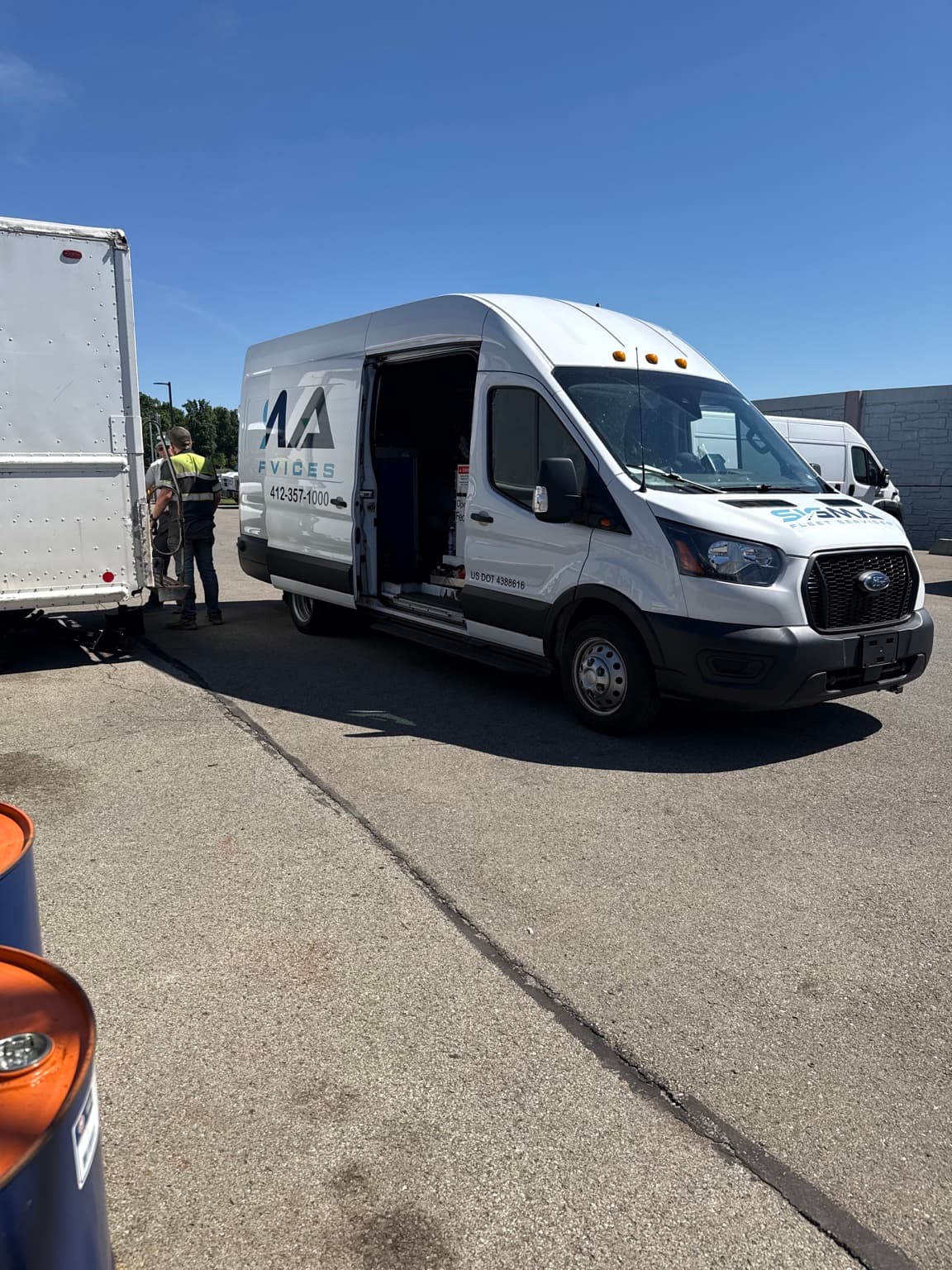
Keep Your Technicians Moving—and Your Schedule Intact.
Sigma Fleet Services supports HVAC contractors with coordinated commercial vehicle repair, preventive maintenance, mobile service, inspections, managed fleet care, and temporary rental vehicles. Our programs are built around technician productivity, scheduled appointments, seasonal demand, and the operational cost of taking a service van off the road.
A Service Van Carries More Than a Technician.
An HVAC service vehicle transports the technician, tools, parts, equipment, and inventory needed to complete the day's work. When that vehicle becomes unavailable, scheduled appointments can be delayed, employees can become unproductive, and revenue can be lost. Sigma coordinates fleet support around vehicle condition, technician schedules, seasonal demand, operational urgency, and the appropriate path back to productive service.
Technician Productivity
Keep technicians assigned to customer work instead of waiting for repairs, transferring equipment, or locating a temporary vehicle.
Schedule Protection
Reduce preventable vehicle interruptions that can affect arrival windows, installation schedules, maintenance appointments, and customer commitments.
Seasonal Capacity
Maintain sufficient vehicle availability during periods of peak heating and cooling demand.
Fleet Reliability
Use planned maintenance, inspections, and timely defect correction to reduce avoidable breakdowns and extend productive vehicle life.
One Coordinated Fleet-Support Model.
Sigma combines repair, maintenance, mobile service, inspections, fleet coordination, and temporary replacement vehicles within one operating relationship. Services can be configured around fleet size, vehicle mix, branch locations, technician schedules, and seasonal operating requirements.
Fleet Repair & Diagnostics
Commercial vehicle diagnostics and repair for mechanical, electrical, braking, steering, suspension, cooling, and drivability concerns. Service is coordinated around vehicle condition, schedule impact, and return-to-service requirements.
Learn morePreventive Maintenance
Maintenance programs aligned with mileage, idle time, duty cycle, manufacturer recommendations, operating conditions, and seasonal workload. Planned service helps reduce preventable interruptions during high-demand periods.
Learn moreMobile Fleet Service
Eligible maintenance, diagnostics, inspections, and field repairs performed at the contractor's yard or branch location. Mobile service reduces unnecessary vehicle movement and helps keep technicians focused on customer work.
Learn moreInspections & Defect Resolution
Annual inspections, vehicle-condition reviews, and coordinated correction of identified defects. Issues can be documented, prioritized, and scheduled around operating requirements.
Learn moreManaged Fleet Care
Ongoing maintenance planning and service coordination for contractors requiring greater consistency and visibility. Programs may include recurring schedules, defect management, vehicle-status coordination, and dedicated on-site support.
Learn moreTemporary Replacement Vehicles
Commercial cargo vans and step vans for extended repairs, seasonal demand, new technician onboarding, and unexpected fleet shortages. Availability and eligibility vary by market.
Learn morePrepare the Fleet Before Demand Peaks.
HVAC workloads can change quickly as temperatures shift. A maintenance backlog or unresolved defect that seems manageable during a slower period can become a serious capacity problem when every technician is fully scheduled.
Review
Identify overdue maintenance, open defects, inspections, and reliability concerns.
Prioritize
Organize service by vehicle condition, technician assignment, mileage, and operational importance.
Schedule
Stagger service across the fleet so too many vehicles are not removed at once.
Prepare Capacity
Identify rental requirements before extended repairs or seasonal demand create urgent shortages.
Support Peak Demand
Maintain a clear intake process for unexpected defects and vehicle-down events during busy periods.
Support Across the Contractor's Business.
Service and Maintenance Vans
Fleet support for technicians performing diagnostics, preventive maintenance, repairs, and customer service calls.
Installation Vehicles
Maintenance and repair coordination for vehicles carrying installation teams, tools, materials, and equipment.
Sales and Estimating Vehicles
Reliable vehicle support for employees traveling to customer consultations, site evaluations, and project estimates.
Warehouse and Parts Vehicles
Fleet services for vehicles moving equipment, inventory, and replacement parts between suppliers, warehouses, branches, and jobsites.
Supervisor and Support Vehicles
Maintenance and repair support for vehicles used by field supervisors, managers, quality-control employees, and operational support teams.
Multi-Branch Fleets
Coordinated programs for contractors managing vehicles across multiple branches, service territories, or Sigma operating markets.
A Fleet Program—Not a Collection of Repair Orders.
Growing HVAC contractors often manage vehicles across several teams, branches, service territories, and approval levels. Sigma can establish a coordinated service model around the entire operation.
Discuss a Managed Fleet ProgramSupport That Scales With the Contractor.
Structured Support. Clear Next Steps.
Understand the Operation
Review fleet size, vehicle types, branch locations, technician schedules, seasonal demand, maintenance requirements, and downtime impact.
Define the Service Model
Identify the appropriate mix of repair, maintenance, mobile service, inspections, managed support, and temporary rental capacity.
Coordinate Fleet Activity
Document, prioritize, approve, and schedule service around vehicle condition and operating requirements.
Maintain Fleet Readiness
Keep maintenance visible, defects moving toward resolution, and vehicles available for customer work.
Local support across four operating markets.
Available services, mobile coverage, shop capabilities, and rental capacity vary by market.
Build coordinated fleet support around your technicians, vehicles, branches, and seasonal requirements.
Repair, preventive maintenance, mobile service, managed fleet care, inspections, and temporary capacity can be structured around the way your operation works.