
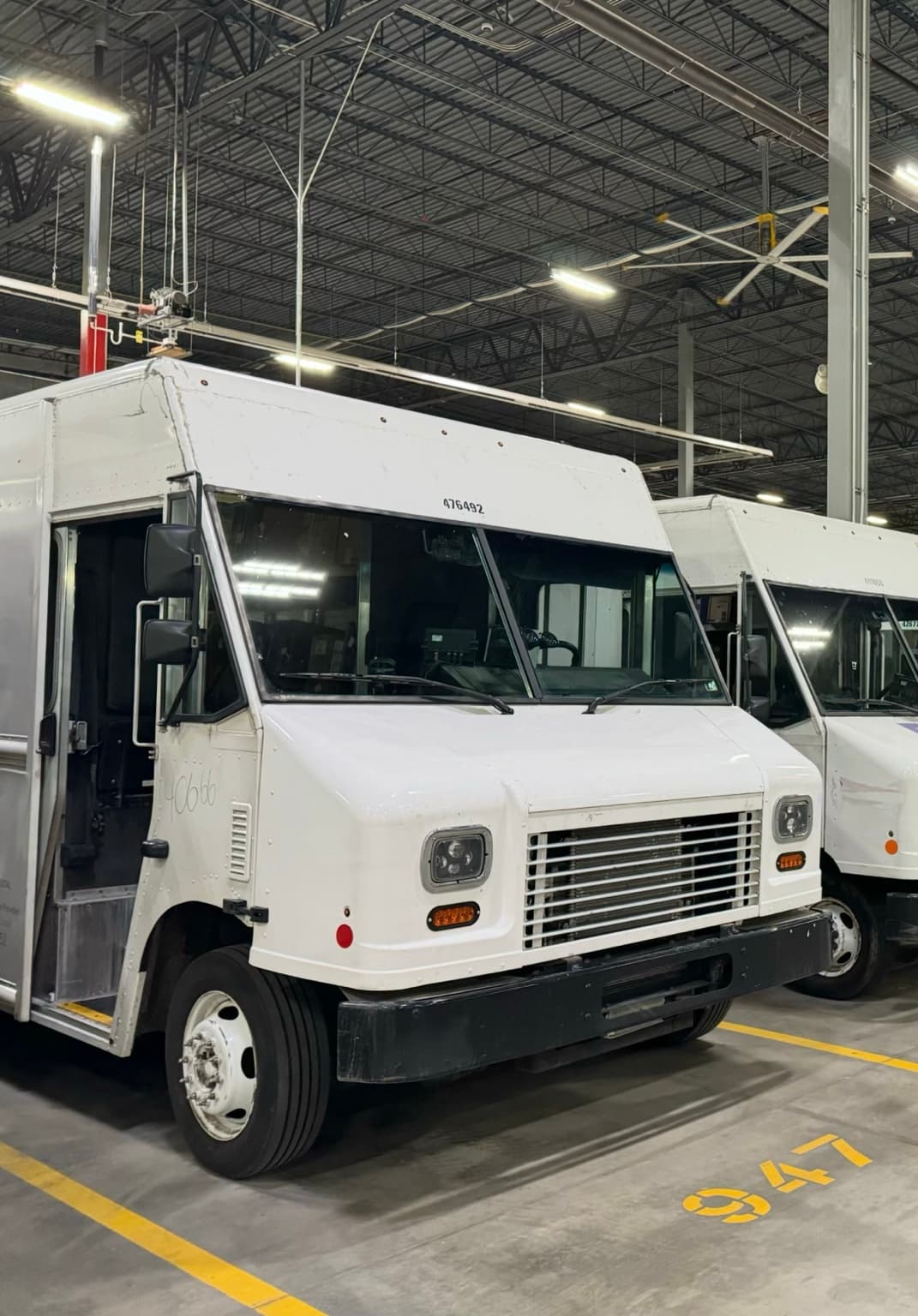
Move From Reactive Repairs to Managed Fleet Care.
Sigma Fleet Services coordinates preventive maintenance, inspections, reported defects, repair approvals, service scheduling, vehicle status, and temporary replacement capacity through one structured fleet-support relationship. The objective is straightforward: improve fleet readiness, reduce avoidable downtime, and give operators greater control over maintenance activity.
Individual Repair Orders Do Not Create a Fleet Strategy.
A reactive model addresses vehicle problems only after they become urgent. Maintenance becomes inconsistent, minor defects remain unresolved, service history becomes fragmented, and fleet leaders spend more time coordinating vendors and chasing vehicle updates. Managed Fleet Care creates an operating structure around the entire maintenance process—from identifying what is due through completing the work and reviewing fleet readiness.
Maintenance Control
Establish consistent service requirements, maintenance intervals, priorities, and approval responsibilities.
Repair Visibility
Maintain a clearer view of vehicles awaiting diagnosis, approval, parts, service, or return to operation.
Operational Coordination
Plan service around dispatch schedules, departmental needs, branch locations, and vehicle availability.
Informed Decisions
Organize vehicle condition, maintenance activity, repair history, and cost information to support better fleet decisions.
One Coordinated Fleet-Support Relationship.
Program scope is configured around fleet size, vehicle classes, operating locations, service volume, approval requirements, and available Sigma capabilities.
Fleet Onboarding
Establish the participating vehicle list, unit information, maintenance requirements, operating roles, locations, and customer contacts.
Maintenance Planning
Define preventive-maintenance intervals and service requirements using mileage, operating hours, duty cycle, vehicle type, and manufacturer recommendations.
Service Intake
Create a consistent process for preventive maintenance, inspections, reported defects, warning lights, vehicle-down events, and repair needs.
Estimate & Approval Coordination
Provide findings and repair recommendations to the customer's designated decision-maker before eligible work proceeds.
Service Scheduling
Coordinate mobile, shop, inspection, and on-site service around operating requirements, vehicle availability, parts, and technician capacity.
Vehicle-Status Communication
Organize status updates for vehicles awaiting diagnosis, approval, parts, repair, quality review, or return to service.
Defect Resolution
Document identified defects, establish priority, obtain approval, schedule correction, and confirm when approved work is completed.
Maintenance Documentation
Maintain organized records of eligible inspections, maintenance, repairs, technician findings, and recommended follow-up work.
Replacement-Capacity Planning
Coordinate temporary commercial vehicle options when extended repairs, fleet shortages, or seasonal requirements affect operating capacity.
Define How Maintenance Decisions Are Made.
Authorized Contacts
Identify who can request service, approve repairs, receive updates, and make fleet-level decisions.
Approval Requirements
Define when estimates require approval and who is authorized to make the decision.
Vehicle Priorities
Classify vehicles according to operational role, urgency, condition, and impact on the business.
Service Standards
Establish maintenance requirements, inspection expectations, documentation needs, and appropriate service channels.
Communication Cadence
Determine how routine updates, urgent issues, open approvals, and program reviews should be communicated.
Escalation Path
Create a clear process for vehicle-down events, delayed approvals, parts constraints, recurring defects, and other exceptions.
The Right Service Channel for the Work.
Shop Service
Diagnostics and repairs requiring specialized equipment, lifting capacity, controlled conditions, or extensive disassembly.
Mobile Fleet Service
Eligible maintenance, inspections, diagnostics, and minor repairs performed at the customer's operating location.
Dedicated On-Site Service
Recurring technician coverage for fleets with predictable service volume and consistent maintenance demand.
Annual Inspections
Coordinated inspection scheduling, defect documentation, and follow-up repair workflows.
Preventive Maintenance
Planned maintenance aligned with mileage, operating hours, duty cycle, vehicle type, and operating conditions.
Temporary Rental Capacity
Commercial cargo vans and step vans for extended repairs, seasonal demand, and temporary fleet shortages.
Understand What Requires Attention.
The purpose is not simply to collect data. It is to identify which vehicles require action and help move those actions toward resolution. Program reviews are based on the information available within the agreed service scope.
Build a Fleet ProgramPlan. Coordinate. Resolve. Review.
Establish Baseline
Review the active vehicle list, maintenance requirements, locations, known defects, service status, and approval structure.
Build Program
Define maintenance intervals, service channels, communication expectations, vehicle priorities, and approvals.
Coordinate Activity
Schedule preventive maintenance, inspections, diagnostics, repairs, mobile visits, and approved services.
Manage Exceptions
Address vehicle-down events, recurring defects, delayed approvals, parts constraints, and out-of-cycle needs.
Document Completion
Record completed work, findings, unresolved conditions, and recommended next steps.
Review Readiness
Assess upcoming maintenance, overdue work, open defects, active repairs, recurring issues, and vehicles requiring attention.
Support That Scales With the Fleet.
Built for Fleets That Need Greater Control.
Local support across four operating markets.
Sigma Fleet Services coordinates fleet support from Pittsburgh, Zelienople, Northampton, and Binghamton. Available services, mobile coverage, shop capabilities, and rental inventory vary by market.
Build a managed fleet program around your vehicles, locations, maintenance requirements, approval process, and uptime priorities.
Create more structure around how maintenance is planned, approved, executed, documented, and reviewed.