
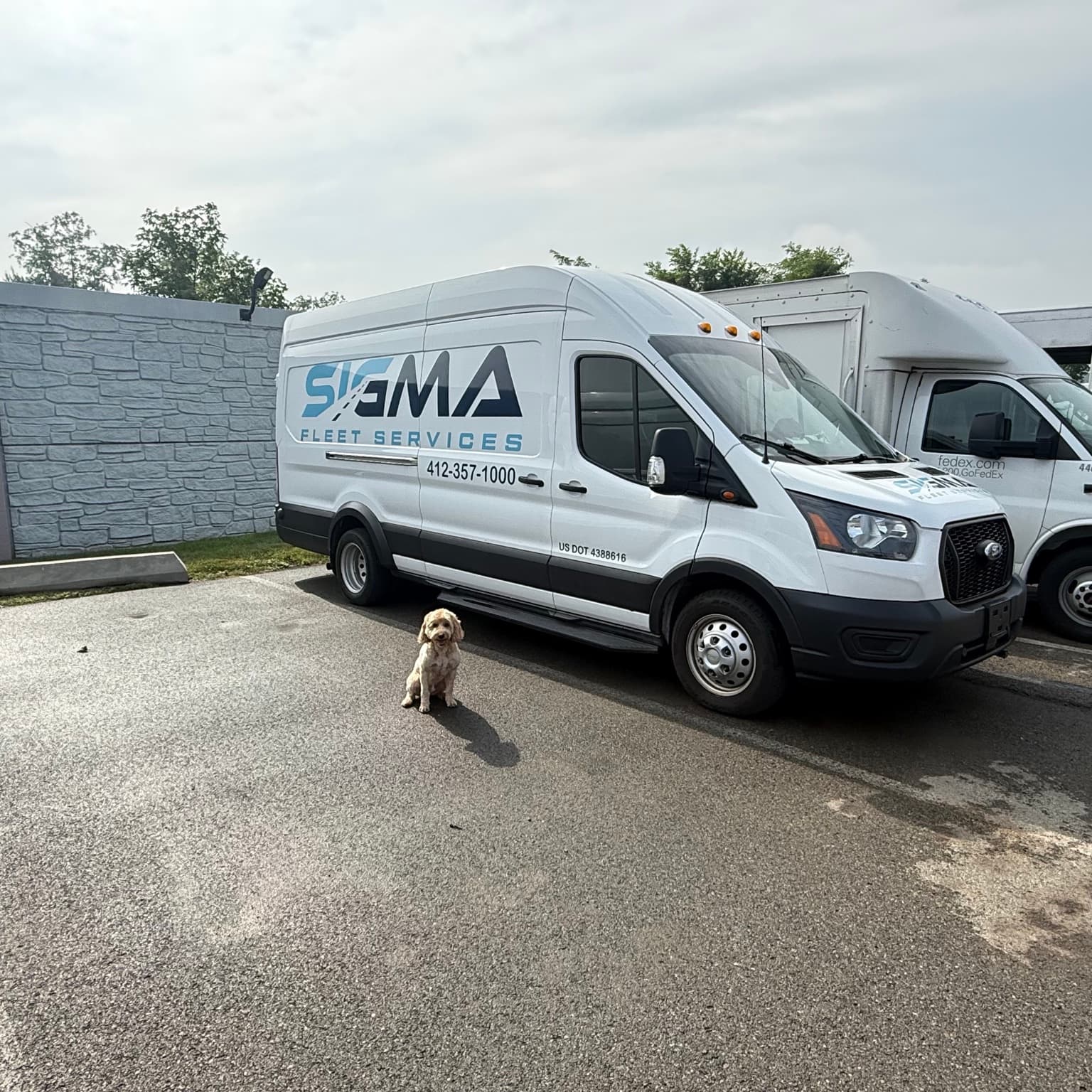
Fleet Readiness for Essential Field Operations.
Sigma Fleet Services supports utility providers and contractors with coordinated commercial vehicle repair, preventive maintenance, mobile service, inspections, managed fleet care, and temporary replacement vehicles. Programs are structured around field-crew availability, demanding duty cycles, multiple operating locations, and the need to maintain response capacity.
When a Vehicle Stops, a Crew Can Stop With It.
Utility vehicles transport employees, tools, parts, safety equipment, and materials to jobsites across the service territory. An unavailable vehicle can sideline an entire crew, delay scheduled work, and reduce the organization's ability to respond when operating conditions change. Sigma coordinates fleet support around vehicle condition, crew requirements, job schedules, operating location, service urgency, and the practical path back to productive service.
Crew Readiness
Maintain the vehicle availability needed to keep field employees equipped, mobile, and assigned to productive work.
Response Capacity
Protect sufficient fleet capacity for scheduled projects, changing field conditions, outages, and periods of increased service demand.
Asset Reliability
Use preventive maintenance, inspections, and timely defect correction to reduce avoidable breakdowns and extend productive asset life.
Maintenance Visibility
Keep scheduled service, open defects, repair activity, and vehicle conditions visible across departments and operating locations.
Coordinated Support Across the Fleet Lifecycle.
Sigma combines repair, maintenance, mobile service, inspections, fleet coordination, and temporary replacement vehicles within one operating relationship.
Commercial Vehicle Repair
Diagnostics and repair for eligible commercial vehicles experiencing mechanical, electrical, braking, steering, suspension, cooling, and drivability concerns. Service is coordinated around vehicle condition, field priority, and return-to-service requirements.
Learn morePreventive Maintenance
Maintenance programs aligned with mileage, operating hours, idle time, duty cycle, towing, load, manufacturer recommendations, and jobsite conditions. Planned service helps reduce preventable interruptions.
Learn moreMobile & On-Site Service
Eligible maintenance, diagnostics, inspections, and field repairs performed at the customer's yard or operating location. Mobile service reduces unnecessary vehicle movement and helps maintain crew productivity.
Learn moreInspections & Defect Resolution
Annual inspections, vehicle-condition reviews, and coordinated correction of identified defects. Issues can be documented, prioritized, approved, and routed through the appropriate service workflow.
Learn moreManaged Fleet Care
Ongoing maintenance planning and service coordination for utility fleets requiring greater consistency and visibility. Programs may include recurring schedules, defect management, vehicle-status coordination, and dedicated support.
Learn moreTemporary Support Vehicles
Commercial cargo vans and step vans for temporary shortages, extended repairs, project mobilization, and increased field-service demand. Availability and eligibility vary by operating market.
Learn moreMaintenance Built Around How the Vehicle Works.
Mileage alone does not always reflect the demands placed on a utility vehicle. Extended idle time, towing, heavy loads, jobsite conditions, repeated short trips, and seasonal weather can accelerate wear even when annual mileage is relatively low.
Include engine hours and extended idle time when determining maintenance intervals.
Differentiate supervisor vehicles, service vans, material-support units, and other field assets.
Account for vehicles carrying equipment, parts, tools, trailers, or other operational loads.
Plan for weather, winter operation, storm preparation, and periods of increased field activity.
Consider dirt, debris, rough surfaces, repeated short trips, and other conditions that affect wear.
Support Across Essential Field Services.
Electric Utilities
Fleet support for eligible service vans, supervisor vehicles, material-support vehicles, and other commercial assets used in electric utility operations.
Natural Gas Utilities
Repair and maintenance coordination for vehicles supporting field inspection, maintenance, construction, service, and response teams.
Water and Wastewater
Fleet services for commercial vehicles used by treatment, distribution, maintenance, inspection, and infrastructure-support departments.
Telecommunications and Broadband
Support for service vans and field vehicles carrying technicians, tools, replacement parts, and equipment across a defined territory.
Utility Contractors
Fleet support for contractors performing construction, maintenance, inspection, installation, and field-service work.
Infrastructure Field Services
Coordinated maintenance and repair for organizations supporting roads, energy systems, communications, facilities, and critical infrastructure.
A Fleet Program—Not a Series of Unrelated Repairs.
Utility fleets may operate across several yards, departments, service territories, and approval structures. Sigma can establish a coordinated service model that helps keep maintenance consistent and fleet activity visible.
Discuss a Managed Fleet ProgramPlan Before Operating Demand Changes.
Storm and Seasonal Preparation
Schedule inspections, maintenance, and defect correction before severe-weather seasons and other predictable periods of increased demand.
Outage and Response Readiness
Identify priority vehicles and unresolved defects that could reduce response capacity during time-sensitive field operations.
Project Mobilization
Coordinate temporary service and vehicle-support needs before launching major construction, maintenance, or infrastructure projects.
Fleet Shortages
Use temporary commercial vehicles to support field employees when owned vehicles are unavailable or additional capacity is required.
Multiple Operating Yards
Develop consistent service procedures across several facilities while accounting for local vehicle assignments and requirements.
Structured Support Across the Operation.
Understand the Fleet
Review vehicle classes, equipment, departments, yards, duty cycles, maintenance requirements, and the operational impact of downtime.
Confirm Service Eligibility
Identify which vehicles and systems can be supported within each market and determine the appropriate service model.
Coordinate Fleet Activity
Document, prioritize, approve, schedule, and route maintenance, inspection, and repair requirements.
Maintain Fleet Readiness
Keep priority vehicles available, maintenance visible, and defects moving toward resolution.
Local support across four operating markets.
Available services, mobile coverage, shop capabilities, and rental capacity vary by market.
Build coordinated fleet support around your vehicles, crews, yards, and operating requirements.
Repair, preventive maintenance, inspections, mobile service, managed fleet care, and temporary support vehicles can be structured around how the field operation actually works.