
Dedicated Fleet Service—Delivered at Your Facility.
Sigma Fleet Services develops recurring on-site service programs for fleets with predictable maintenance volume and sufficient operating scale. Technician coverage, service cadence, eligible work, vehicle staging, approvals, and documentation are structured around the customer's facility and operating schedule.
Put Fleet Service at the Center of the Operation.
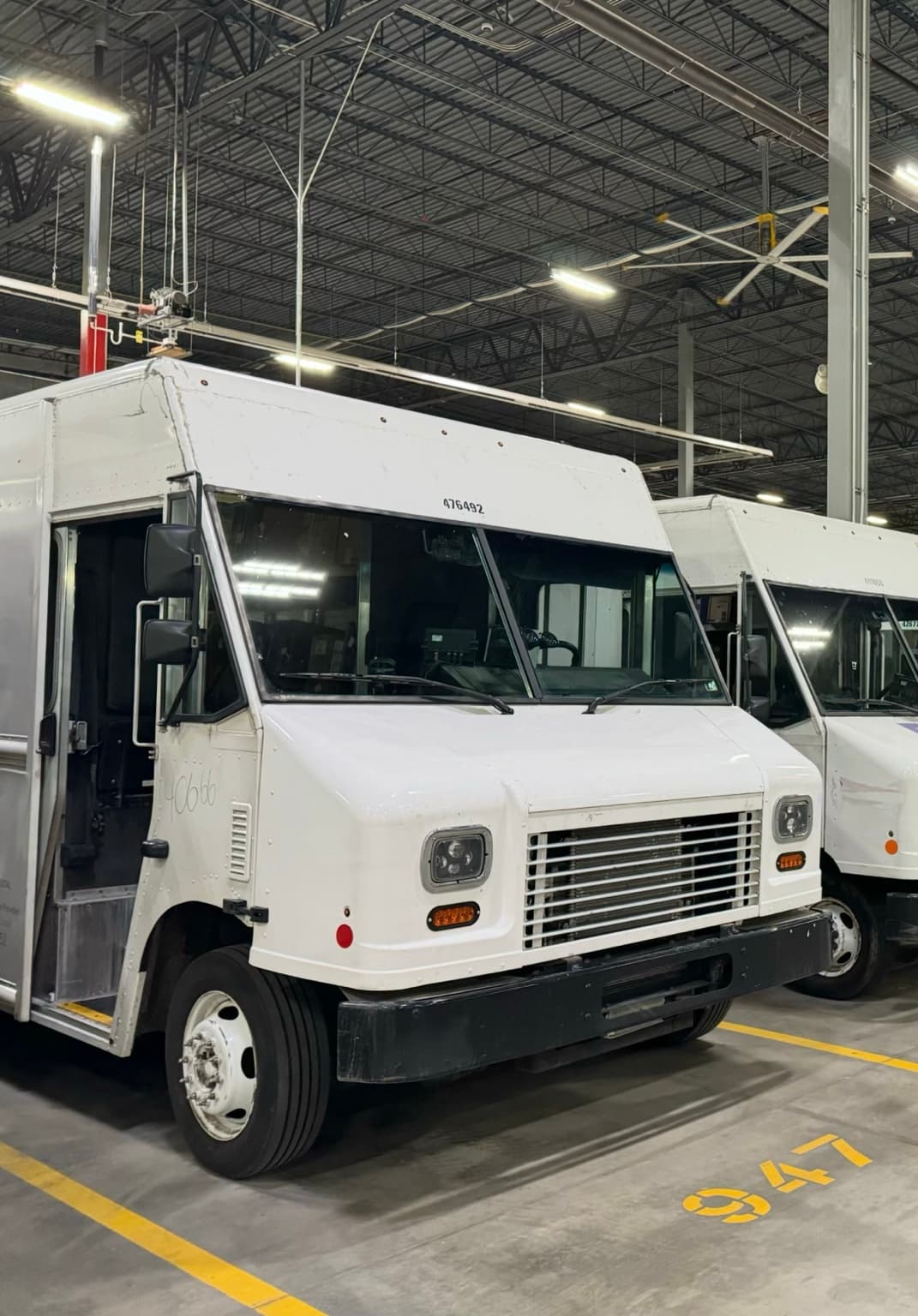
Traditional service requires vehicles to leave the operating location, employees to coordinate transportation, and fleet leaders to manage work across multiple appointments. Dedicated on-site service brings recurring technician coverage directly to the facility. The result is a structured service relationship built around the fleet's maintenance demand—not a series of disconnected mobile visits.
Predictable Coverage
Establish recurring service windows based on fleet size, maintenance volume, operating schedule, and market capacity.
Reduced Vehicle Movement
Complete eligible work where vehicles are normally staged, reducing unnecessary trips to an outside repair facility.
Consolidated Service
Group preventive maintenance, inspections, diagnostics, and eligible repairs into coordinated on-site service periods.
Consistent Workflows
Use defined processes for vehicle staging, technician access, repair approvals, documentation, and shop referrals.
Use the Right Service Model for the Work.
Dedicated On-Site Service
Recurring technician coverage at the customer's facility with a defined schedule, service scope, fleet list, approval process, and program-review cadence.
Mobile Fleet Service
Scheduled or request-based field service for eligible maintenance, inspections, diagnostics, and repairs without a dedicated recurring program.
Shop Service
Service performed at an appropriate repair facility when specialized equipment, lifting capacity, extensive disassembly, or controlled conditions are required.
Practical Fleet Service at Your Operating Location.
Available services depend on vehicle eligibility, program scope, technician qualifications, site conditions, parts, equipment, and operating market.
Preventive Maintenance
Recurring oil and filter service, fluid checks, lubrication, maintenance inspections, and other eligible work based on vehicle requirements.
Learn moreAnnual Inspections
Eligible commercial-vehicle inspections coordinated around vehicle availability, inspector qualifications, and applicable requirements.
Learn moreDiagnostics & Defect Triage
Initial evaluation of reported defects, warning lights, starting concerns, drivability complaints, and other vehicle conditions.
Learn moreEligible Field Repairs
Approved repairs that can be completed safely and effectively without specialized shop equipment or extensive disassembly.
Learn moreMaintenance Campaigns
Coordinated correction of repeated or common conditions across several vehicles during a planned service period.
Learn moreDocumentation & Follow-Up
Completed-service records, identified defects, technician findings, repair recommendations, and shop-level follow-up requirements.
Learn moreBuilt Around the Fleet, Facility and Workload.
Fleet Profile
Review vehicle count, classes, assignments, mileage, operating hours, duty cycles, and maintenance requirements.
Service Demand
Evaluate preventive-maintenance volume, inspection requirements, reported defects, recurring repairs, and historical activity.
Operating Schedule
Identify dispatch times, return windows, seasonal requirements, shift patterns, and when vehicles can be made available.
Facility Assessment
Confirm access, clearance, lighting, safety, security, and environmental controls for the proposed service area.
Program Scope
Define services included on-site, shop referrals, technician schedule, parts preparation, and customer responsibilities.
Governance
Establish authorized contacts, approval requirements, vehicle priorities, communication procedures, and escalation paths.
Assess. Design. Launch. Manage.
Evaluate the Fleet
Review vehicle composition, maintenance demand, schedules, locations, and the current service process.
Assess the Facility
Evaluate the work area for vehicle access, safety, clearance, traffic, security, environmental requirements, and technician needs.
Define the Program
Establish eligible service scope, recurring schedule, contacts, approvals, and vehicle-staging requirements.
Prepare the Launch
Organize vehicles, initial work queue, parts needs, keys, access procedures, and site rules.
Deliver On-Site Service
Perform eligible maintenance, inspections, diagnostics, and approved repairs during scheduled coverage.
Review and Adjust
Review service volume, open defects, shop referrals, upcoming maintenance, scheduling, and program requirements periodically.
A Productive Program Starts With the Right Environment.
Dedicated Work Area
Provide a level, accessible service area with sufficient clearance around participating vehicles.
Vehicle Staging
Identify and stage scheduled vehicles before the service period begins.
Keys and Access
Create a reliable process for vehicle keys, unit identification, gated access, and security requirements.
Authorized Contact
Designate an employee who can answer questions, approve eligible work, and coordinate vehicle movement.
Safety & Environment
Communicate traffic patterns, hazards, PPE rules, emergency procedures, facility restrictions, fluid handling, and spill-response requirements.
Parts Planning
Coordinate commonly required parts, customer-supplied components, special orders, and unavailable-item follow-up.
- ✓Provide accurate vehicle and maintenance information
- ✓Stage vehicles according to the agreed schedule
- ✓Maintain safe access to the service area
- ✓Provide keys and authorized contacts
- ✓Communicate known defects and operating priorities
- ✓Review and approve eligible work
- ✓Notify Sigma of schedule or fleet changes
- ✓Confirm eligible services and participating vehicles
- ✓Prepare technician schedule and anticipated work
- ✓Perform approved services within the defined scope
- ✓Document completed work and identified defects
- ✓Communicate shop-level or follow-up requirements
- ✓Coordinate approved repairs and recurring maintenance
- ✓Review program requirements with the customer
Keep the On-Site Work Queue Organized.
Program reviews can organize the participating vehicle roster, due maintenance, open defects, approvals, parts requirements, completed on-site work, shop referrals, recurring concerns, and schedule changes without implying real-time telematics or automated dashboards.
Design an On-Site ProgramDesigned for Fleets With Predictable Service Demand.
Local support across four operating markets.
Sigma Fleet Services develops eligible on-site programs from Pittsburgh, Zelienople, Northampton, and Binghamton. Program availability depends on fleet size, service volume, facility suitability, technician capacity, travel requirements, and market capabilities.
Design an on-site service program around your vehicles, facility, maintenance demand, operating schedule, and approval requirements.
Build recurring technician coverage around the fleet and the operating environment rather than a series of disconnected service visits.