
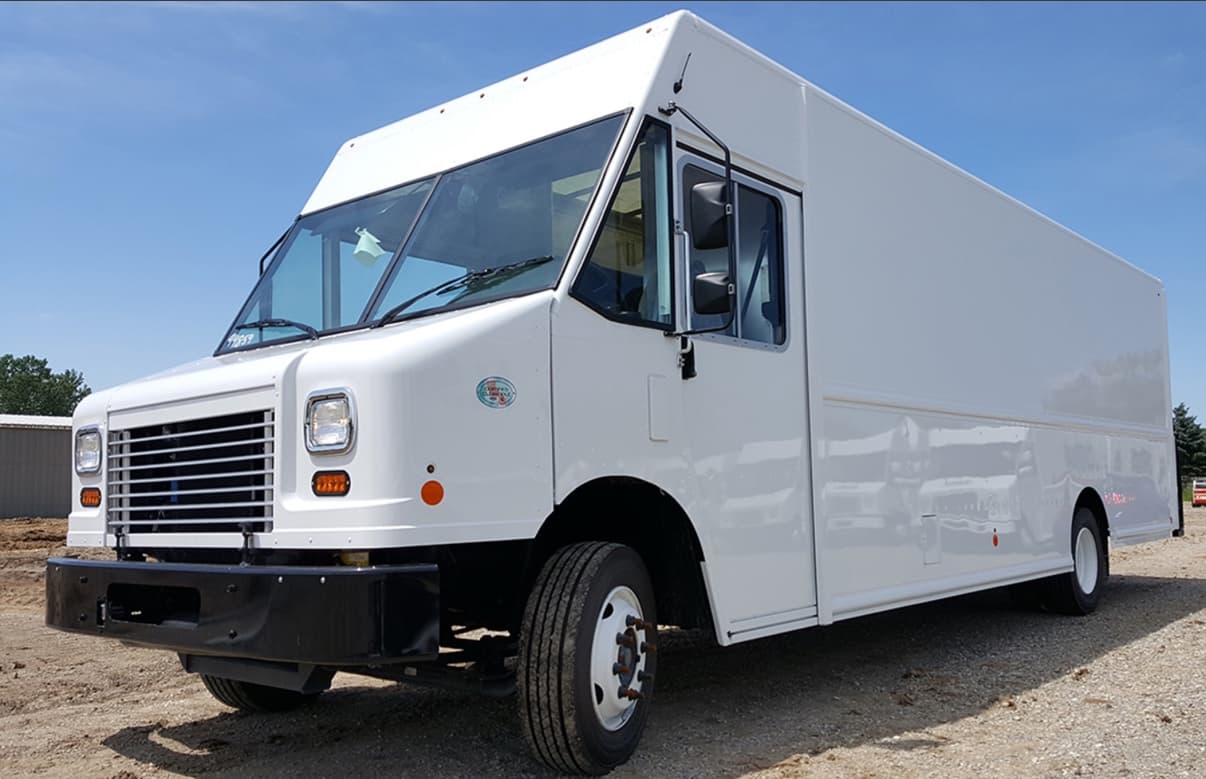
Fleet Reliability That Protects Every Delivery.
Sigma Fleet Services supports parcel, courier, retail, and local delivery operations with coordinated repair, preventive maintenance, mobile service, inspections, managed fleet care, and temporary rental capacity. Our services are built around vehicle availability, route schedules, delivery windows, and the operational cost of downtime.
The Last Mile Runs on Vehicle Availability.
Every delivery vehicle represents operating capacity. When one becomes unavailable, the consequences can include uncovered routes, delayed deliveries, idle employees, overtime, customer-service failures, and higher operating costs. Sigma coordinates fleet support around vehicle condition, route impact, service urgency, location, and replacement options.
Route Capacity
Maintain sufficient vehicle availability to support scheduled routes, changing delivery volumes, and daily operating requirements.
Delivery Commitments
Reduce preventable interruptions that can affect delivery windows, customer expectations, and contractual service requirements.
Workforce Productivity
Keep drivers and field employees working instead of waiting for repairs or searching for temporary replacements.
Cost Control
Use planned maintenance, coordinated repairs, and temporary rental capacity to reduce avoidable operating expense.
One Coordinated Fleet-Support Model.
Sigma brings repair, maintenance, mobile service, inspections, fleet coordination, and replacement vehicles together within one operating relationship.
Fleet Repair & Diagnostics
Commercial vehicle diagnostics and repair for mechanical, electrical, braking, suspension, cooling, and drivability concerns. Service is coordinated around vehicle condition, operational priority, and return-to-service requirements.
Learn moreMobile Fleet Service
Planned maintenance, diagnostics, inspections, and eligible field repairs performed at the fleet's operating location. Mobile service reduces unnecessary vehicle movement and helps address minor issues before they create larger disruptions.
Learn morePreventive Maintenance
Structured maintenance programs aligned with mileage, duty cycle, manufacturer recommendations, and operating conditions. Planned service helps improve reliability and makes maintenance easier to schedule around delivery operations.
Learn moreInspections & Defect Resolution
Annual inspections, vehicle-condition reviews, and coordinated correction of identified defects. Issues can be documented, prioritized, and moved into the appropriate service workflow.
Learn moreManaged Fleet Care
Ongoing maintenance planning and service coordination for fleets requiring greater consistency and visibility. Programs may include recurring service schedules, defect management, vehicle-status coordination, and dedicated on-site support.
Learn moreRental & Replacement Capacity
Commercial cargo vans and step vans for breakdown replacements, seasonal demand, contract transitions, and temporary vehicle shortages. Flexible capacity helps maintain route coverage without permanently expanding the fleet.
Learn moreBuilt for High-Utilization Operations.
Pre-Dispatch Vehicle Issues
Assess the condition, coordinate the appropriate service response, and determine whether temporary replacement capacity is available before dispatch is disrupted.
Unexpected Vehicle Downtime
Start with condition, location, drivability, and operational impact to establish a clear next step without unnecessary delay.
Preventive-Maintenance Backlogs
Organize overdue maintenance by vehicle priority, mileage, condition, and operating schedule so the backlog can be addressed systematically.
Recurring Defects
Coordinated diagnostics help identify underlying causes instead of repeatedly treating warning lights, drivability issues, or unresolved defects.
Peak and Seasonal Capacity
Use temporary rental vehicles during volume increases, new-contract launches, fleet transitions, or unexpected shortages.
Inspection Readiness
Plan inspections and proactive defect correction to reduce last-minute service disruption.
From a single repair to a managed fleet program.
A Fleet Program—Not a Collection of Repair Orders.
Enterprise and multi-location delivery fleets need more than reactive repair. Sigma can structure an ongoing support model around fleet composition, operating schedule, maintenance requirements, service priorities, and geographic footprint.
Discuss a Fleet ProgramStructured Support. Clear Next Steps.
Understand the Fleet
Review vehicle types, fleet size, operating markets, delivery schedules, duty cycles, and the impact of downtime.
Define the Service Model
Identify the right combination of repair, maintenance, mobile service, inspections, managed support, and rentals.
Coordinate Fleet Activity
Document, prioritize, and route work according to vehicle condition, urgency, market, and service availability.
Maintain Fleet Readiness
Keep maintenance visible, defects moving toward resolution, and vehicles available for productive service.
Built Around Commercial Delivery Operations.
Parcel and Courier Fleets
Support for route-based delivery operations managing high daily utilization, scheduled dispatches, and time-sensitive service commitments.
Retail and E-Commerce Delivery
Fleet services for retailers and logistics providers managing local fulfillment, home delivery, and fluctuating seasonal demand.
Food and Beverage Distribution
Maintenance and repair coordination for delivery fleets operating on fixed schedules and narrow customer-service windows.
Appliance and Final-Mile Installation
Support for commercial vehicles carrying installation teams, equipment, inventory, and tools for scheduled appointments.
Commercial Service Fleets
Fleet support for businesses whose vehicles transport employees, tools, parts, and equipment directly to customer locations.
Regional Logistics Providers
Coordinated programs for operators managing delivery vehicles across multiple facilities, customers, or operating markets.
Local support across four operating markets.
Available services, mobile coverage, shop capabilities, and rental capacity vary by market.
Build coordinated fleet support around your vehicles, delivery schedules, markets, and capacity requirements.
Repair, maintenance, mobile service, inspections, managed support, and rental capacity can be structured around how your operation actually runs.